
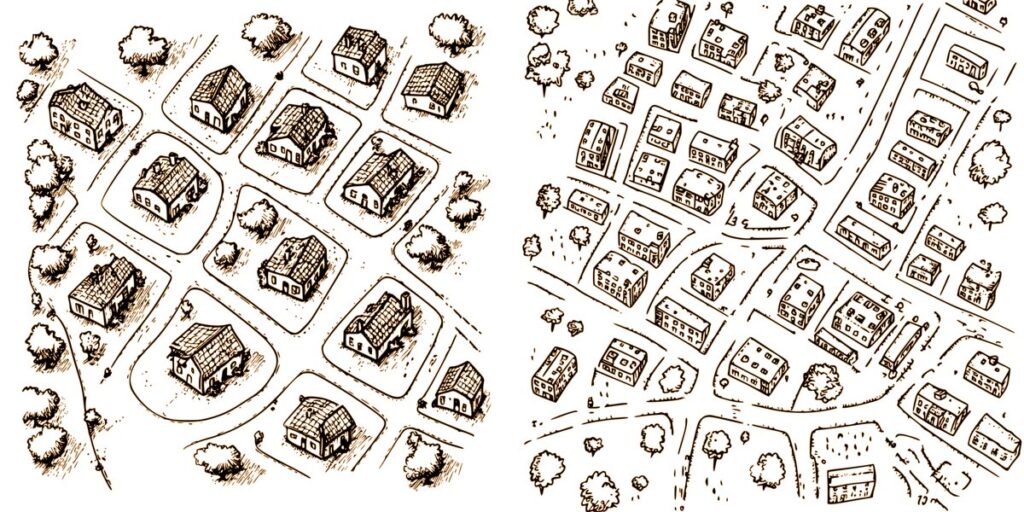
Nestled in the southeast corner of Bristol, Connecticut, Forestville is a neighborhood whose character has stood the test of time. Whether you’re a longtime resident or a newcomer taking your first stroll down Central Street, there’s an unmistakable sense of pride here—a feeling firmly rooted in over a century of unique heritage. From its humble beginnings as a mill village to its vibrant present as a close-knit residential community, Forestville’s story is one of growth, resilience, and deep community spirit.
From Woodland to Village: Origins of Forestville
The history of Forestville is tied intimately with the sweeping oak and maple forests that once blanketed this part of central Connecticut. In the early 19th century, what is now Forestville was primarily thick woodland, the kind that attracted settlers with both its natural beauty and its untapped resources.
As the Industrial Revolution took hold in New England, the Pequabuck River—cutting along the southern edge of today’s Forestville—became an attractive site for mills and factories. In 1836, Forestville was formally recognized as a village within Bristol. The name “Forestville,” quite simply, was a reflection of the area’s woodland character: a “ville” born from the “forest.” It’s a name that pays homage to the region’s earliest days.
Key Milestones in Forestville History
Forestville’s spirit of innovation can be traced to several pivotal moments:
- Early Industry (1800s): Forestville’s mills powered the local economy, drawing workers from across the region. Factories producing everything from buttons to clock cases lined the riverbanks.
- Railroad Arrival (1848): The railroad’s arrival was transformative, linking Forestville to Bristol’s downtown and beyond. It spurred commerce and made Forestville an attractive spot for new families and businesses.
- Schoolhouse & Civic Life: The original Forestville School, later replaced by Greene-Hills School on Mix Street, became a hub for the community alongside churches such as St. Matthew’s and the Forestville Baptist Church.
- Growth through Annexation: Throughout the 20th century, Forestville’s footprint expanded. Streets like Central, Washington, and Church saw new homes and storefronts rise in step with the growing population.
Notable Landmarks and Institutions
A walk through Forestville today reveals echoes of its storied past alongside vibrant modern life. Some of the neighborhood’s cherished landmarks include:
- Pequabuck River: Once the lifeblood of industry, it remains a scenic backdrop to local parks and trails.
- Central Street: This main thoroughfare preserves the village atmosphere, lined with historic homes and small businesses. The Central Square area, with its signature triangle park, has served as a community gathering place for generations.
- St. Matthew’s Church: A gothic revival landmark on Church Avenue, it has long been a spiritual and social anchor.
- Forestville Memorial Boulevard: Commemorating local veterans, this well-traveled road is a tangible reminder of the neighborhood’s patriotic spirit.
- Greene-Hills School: Modern but steeped in tradition, this school on Mix Street carries forward Forestville’s commitment to education.
Parks, Recreation, and Natural Beauty
Forestville’s early identity as a woodland remains part of its DNA. Residents cherish their proximity to the outdoors:
- Rockwell Park: Though just outside Forestville proper, it’s a beloved green space where families gather year-round.
- Seymour Park: Located on Shrub Road, this neighborhood park offers playgrounds, sports fields, and woodland trails.
- Pequabuck Riverwalk: A newer addition, this pathway follows the river, inviting walkers, joggers, and cyclists to enjoy the scenery.
Evolving Character: Forestville in Recent Decades
Over time, Forestville has gracefully blended tradition and progress. Post-World War II development brought ranch houses and capes alongside older colonials; the sense of community, however, remained unchanged. Today, Forestville is prized for its tree-lined streets, neighborhood festivals, and the active Forestville Village Association.
Central Street bustles with local businesses, from longstanding diners to new cafes and boutiques. Seasonal events, such as the annual holiday lighting in Central Square or summer block parties, underscore the neighborly spirit that defines Forestville.
Schools, houses of worship, and civic organizations remain central to daily life. The demographic tapestry has grown more diverse, but the foundational values of kindness, volunteerism, and pride are constants.
Forestville’s Heritage: Why It Matters
Ask any Forestville resident what they love most, and you’ll often hear about the neighborhood’s welcoming nature and storied past. There is a palpable respect for what came before—seen in the preservation of historic homes, the stewardship of local parks, and the care taken in community planning. Generations have watched Forestville evolve while keeping its cherished character intact.
This historic village-within-a-city is more than just a collection of streets and houses. It’s a place where past and present mingle: where children can ride bikes to Greene-Hills School on a leafy avenue, where neighbors greet each other by name at the post office, and where every brick and tree tells a chapter of Forestville’s enduring story.
Looking Forward
Forestville’s future is bright. Community leaders and residents alike continue to invest in beautification initiatives, support small businesses, and plan for smart development that respects Forestville’s roots. As Bristol evolves, Forestville remains a proud testament to what happens when heritage is honored and community spirit remains strong.
So, whether you’re savoring the rich history on Washington Street, enjoying a peaceful afternoon on the banks of the Pequabuck, or just taking in the friendly faces along Central Street, it’s clear: Forestville’s story is far from finished—and its best chapters may still lie ahead.